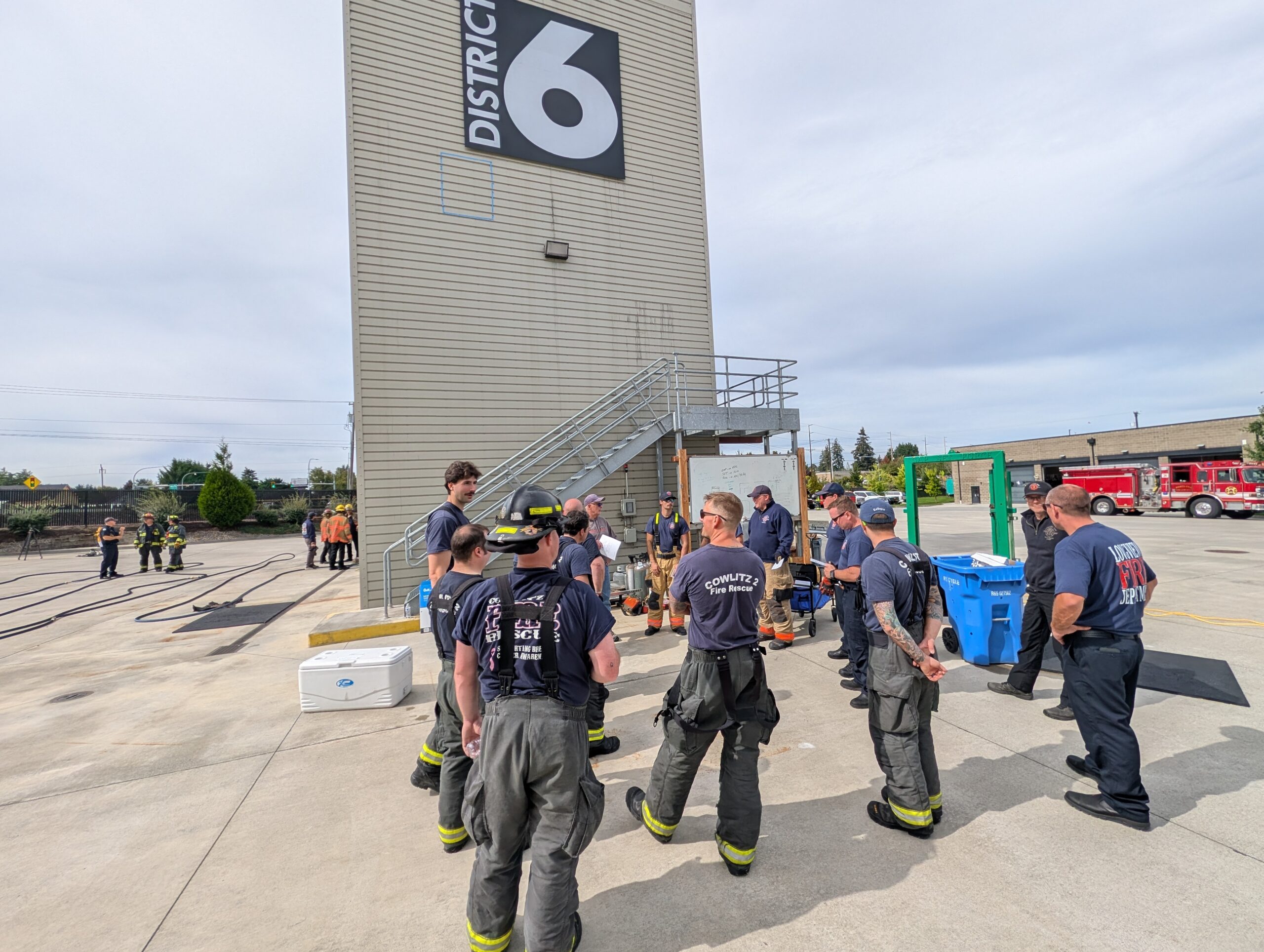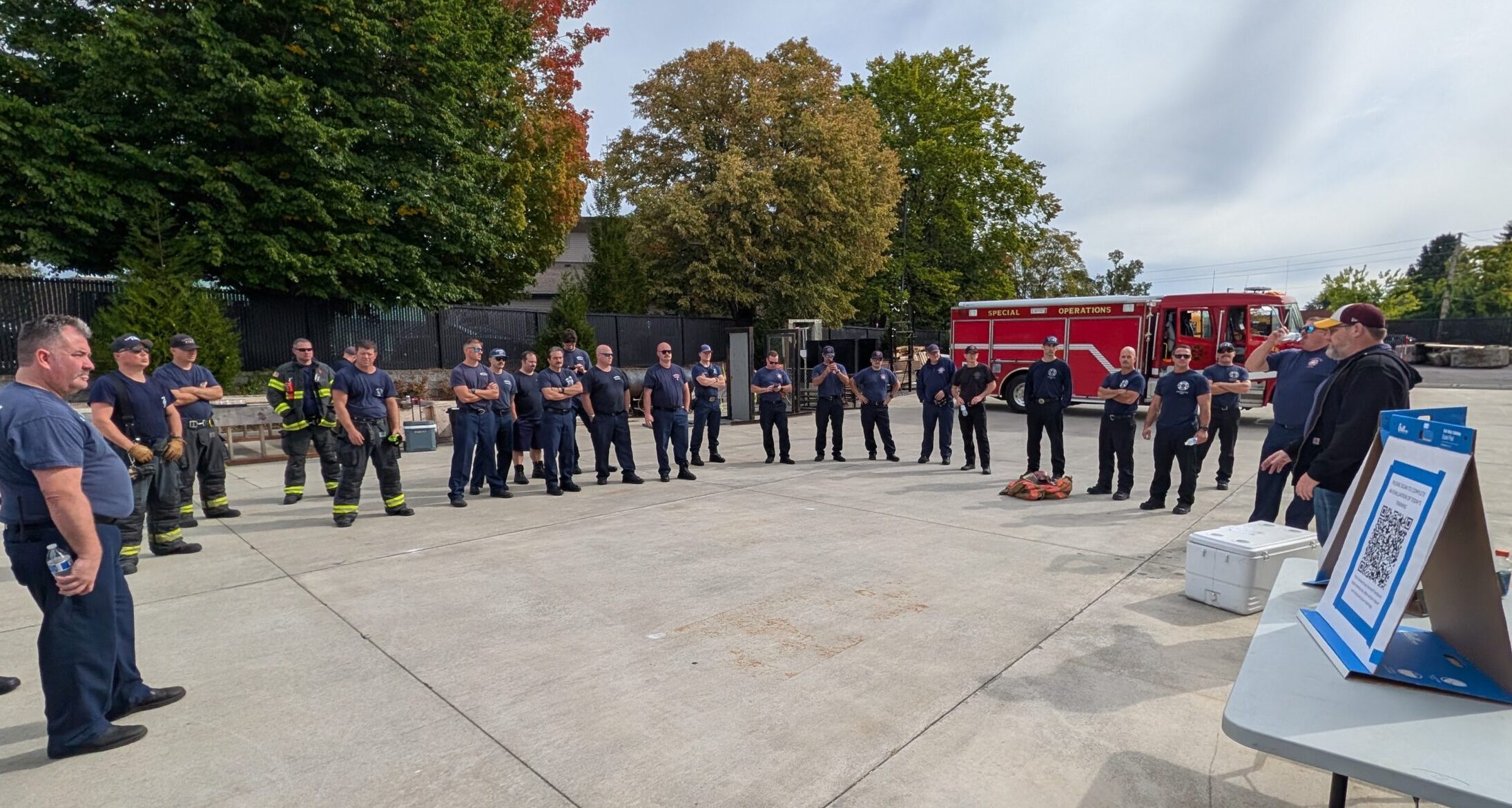
FPAAC’s 3rd Quarter Technician Level Training was held on September 24, 2026 at Clark County Fire District 6’s Station 63.
The training brought together 39 participants representing 6 FPAAC member agencies for a day of hands-on shipboard fire training activities.
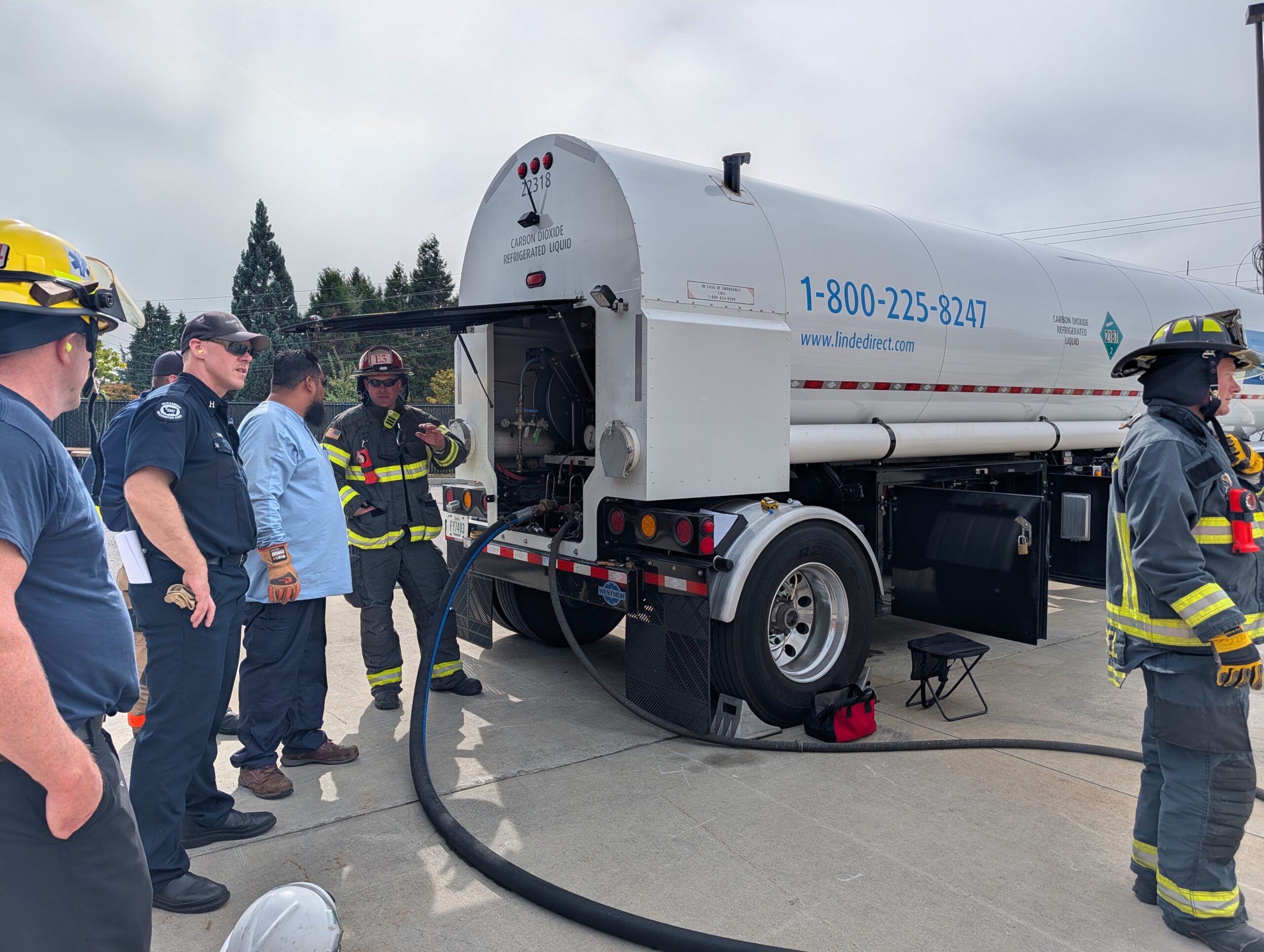
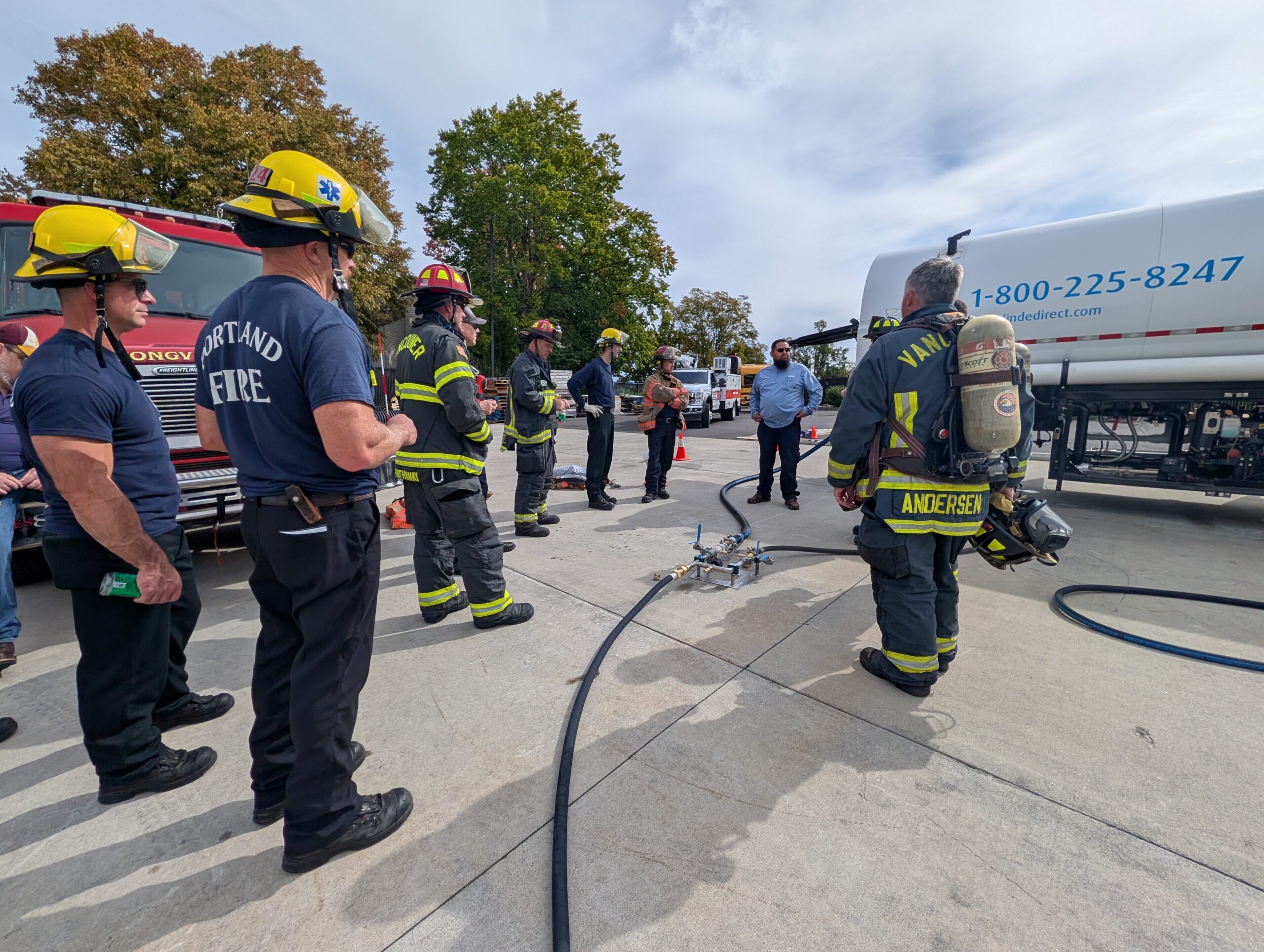
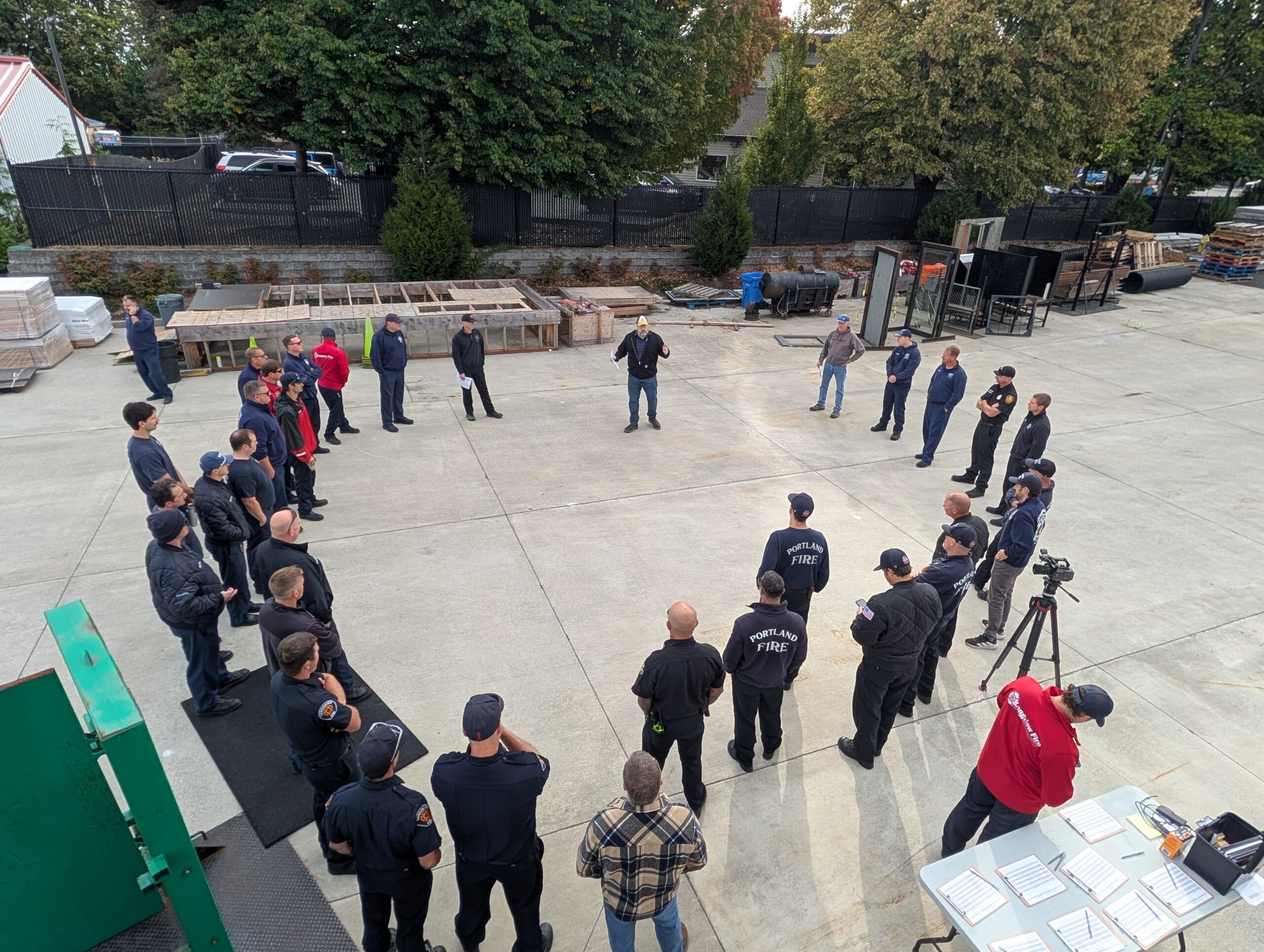
The day commenced with a safety briefing and overview of planned activities delivered by FPAAC Training Coordinator, Jim Merten. Following the briefing, attendees received an overview of the CO2 truck and the newly purchased CO2 deployment equipment.
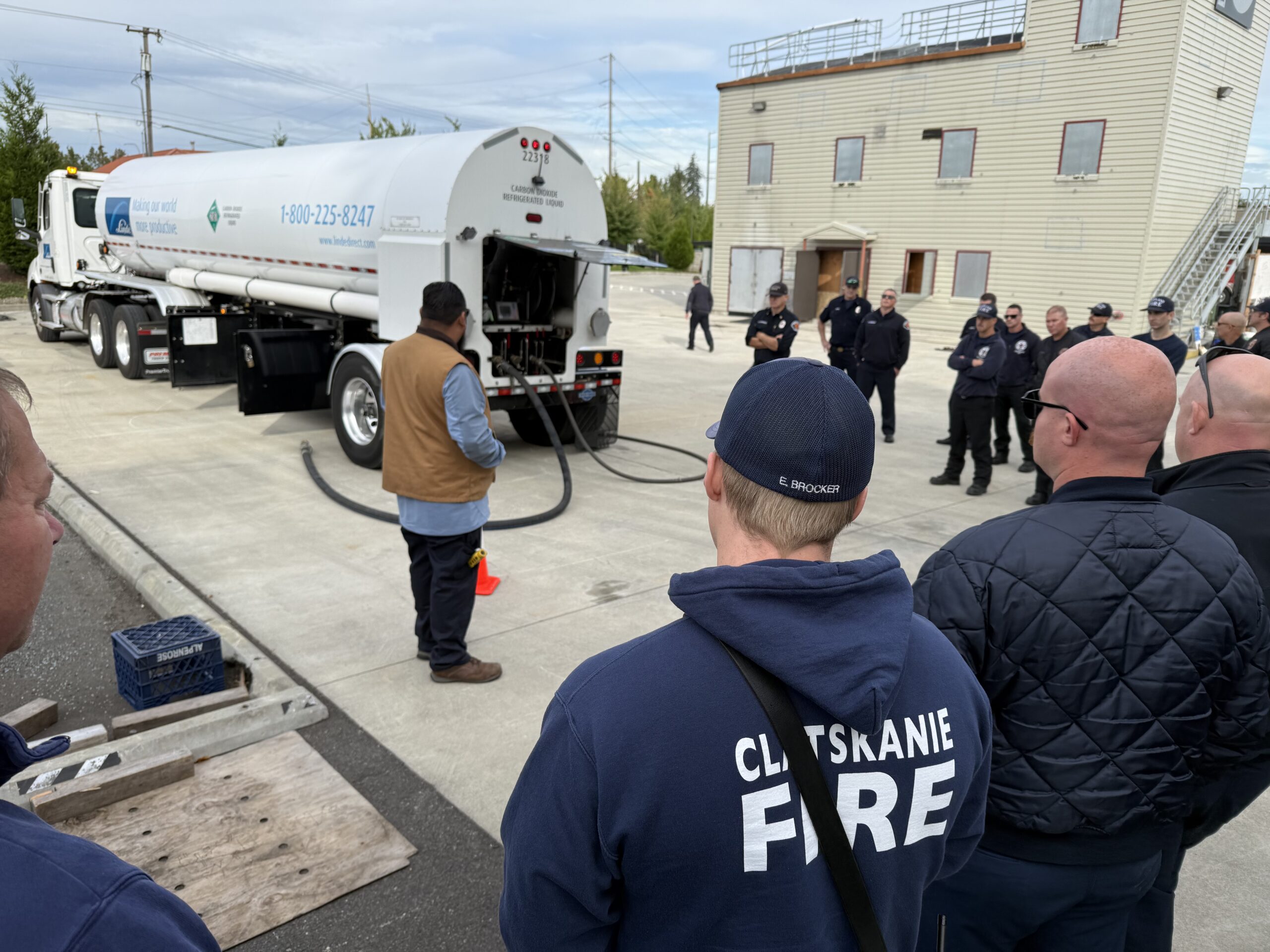
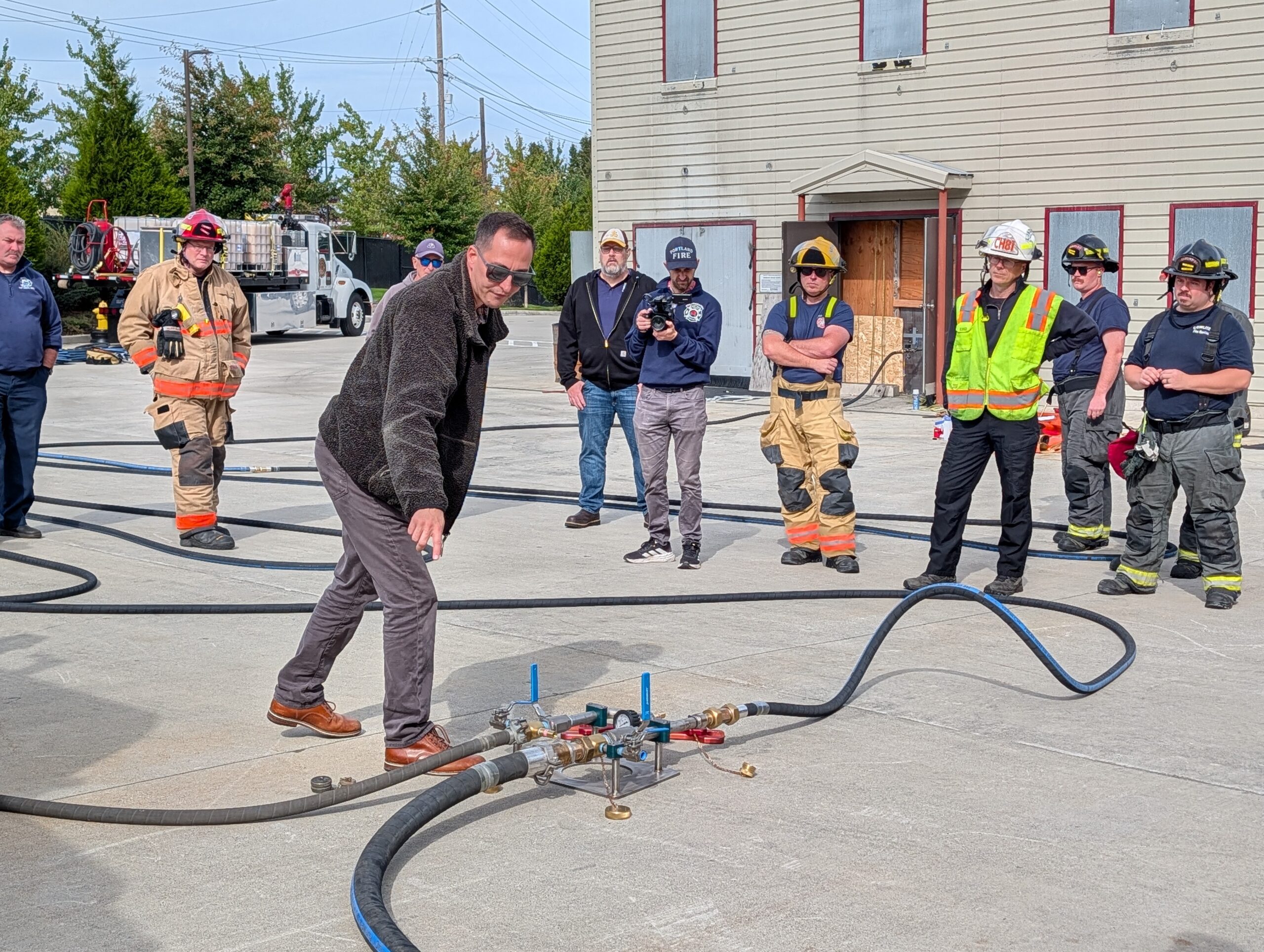
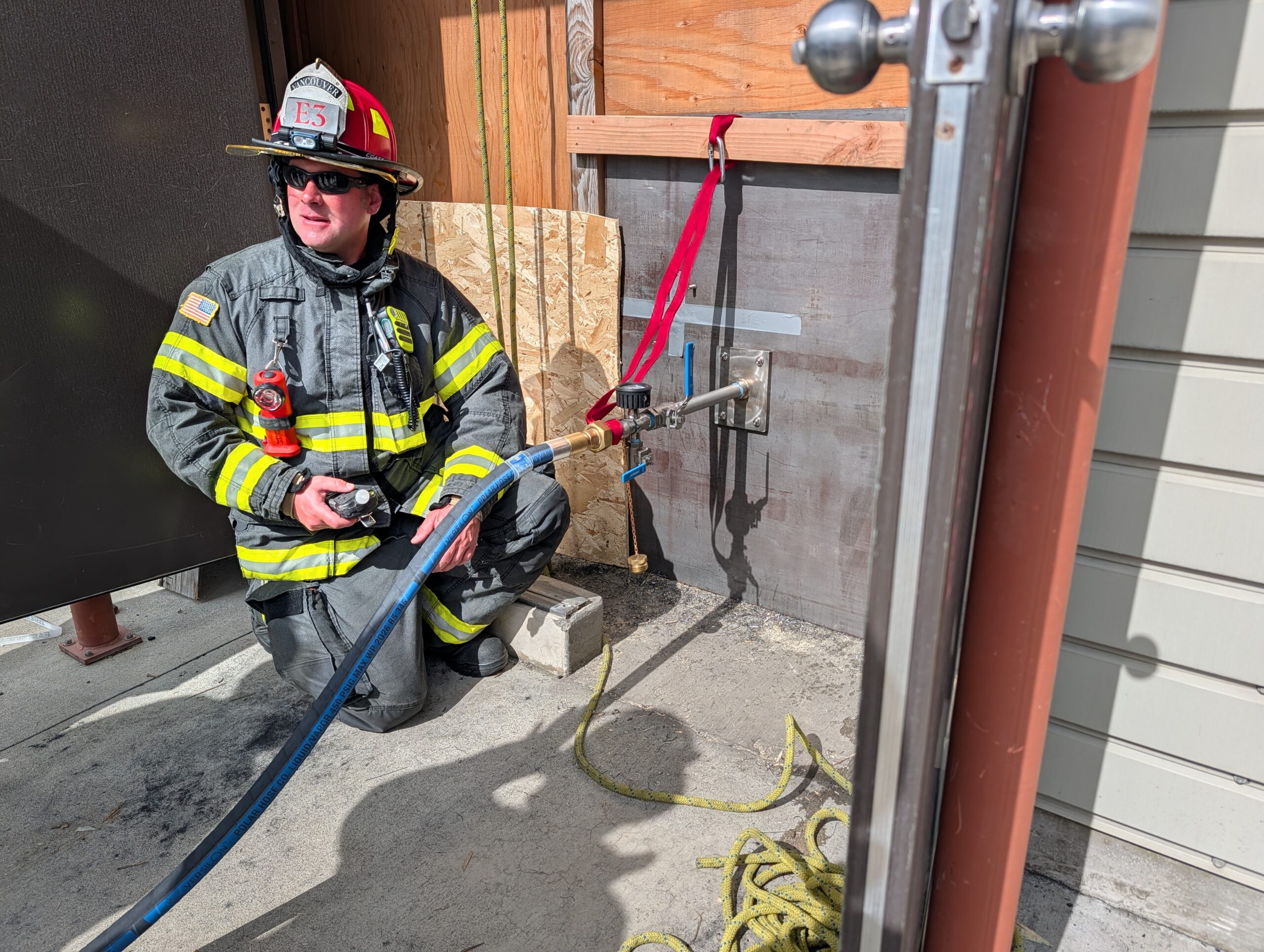
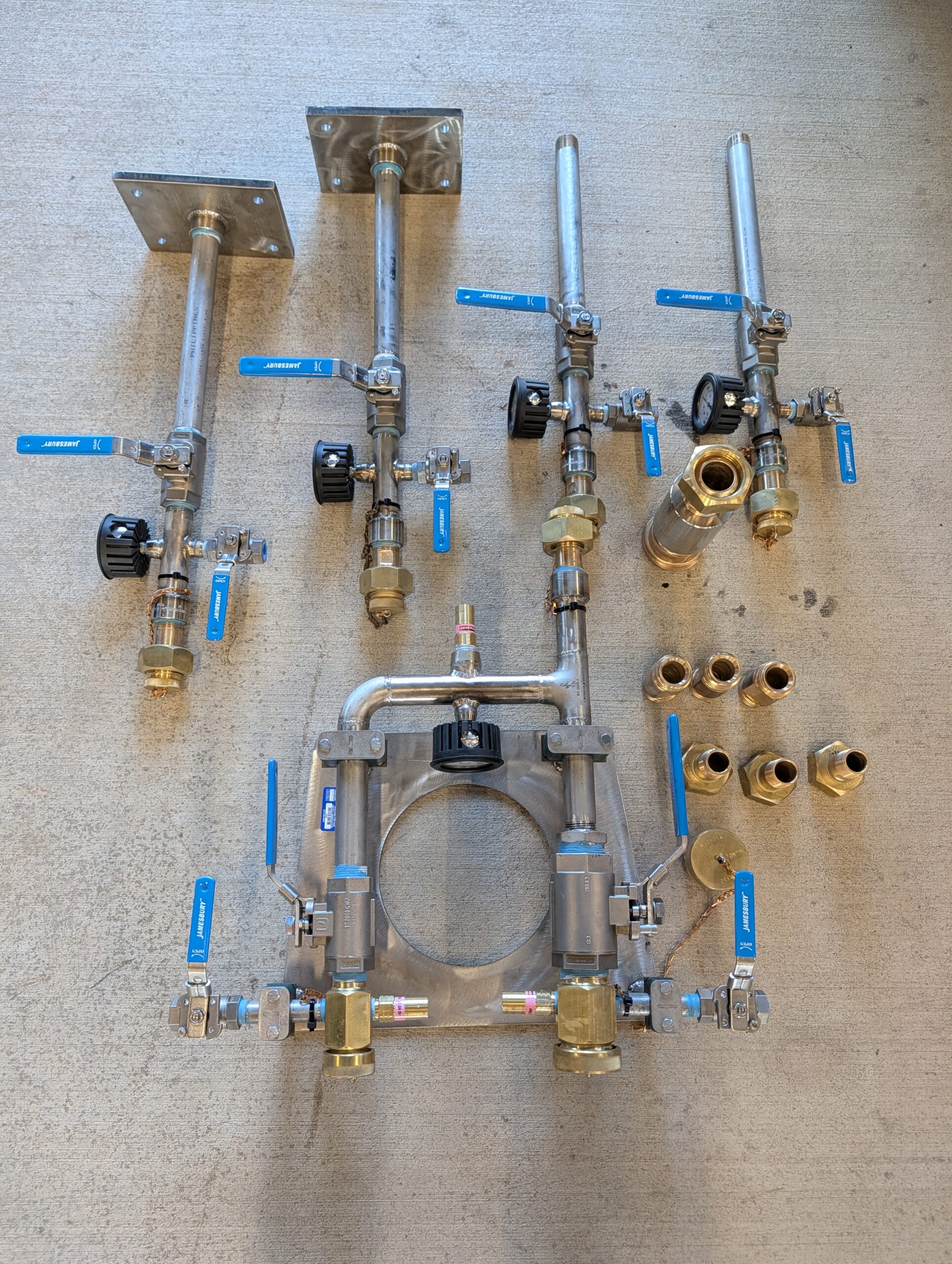
MFSA recently purchased three identical sets of CO2 deployment equipment (cryogenic hoses, manifolds and stingers) and distributed them to three FPAAC member agencies to ensure regional interoperability during an emergency response. This training session marked the first opportunity for member agencies to deploy and train with the new equipment.
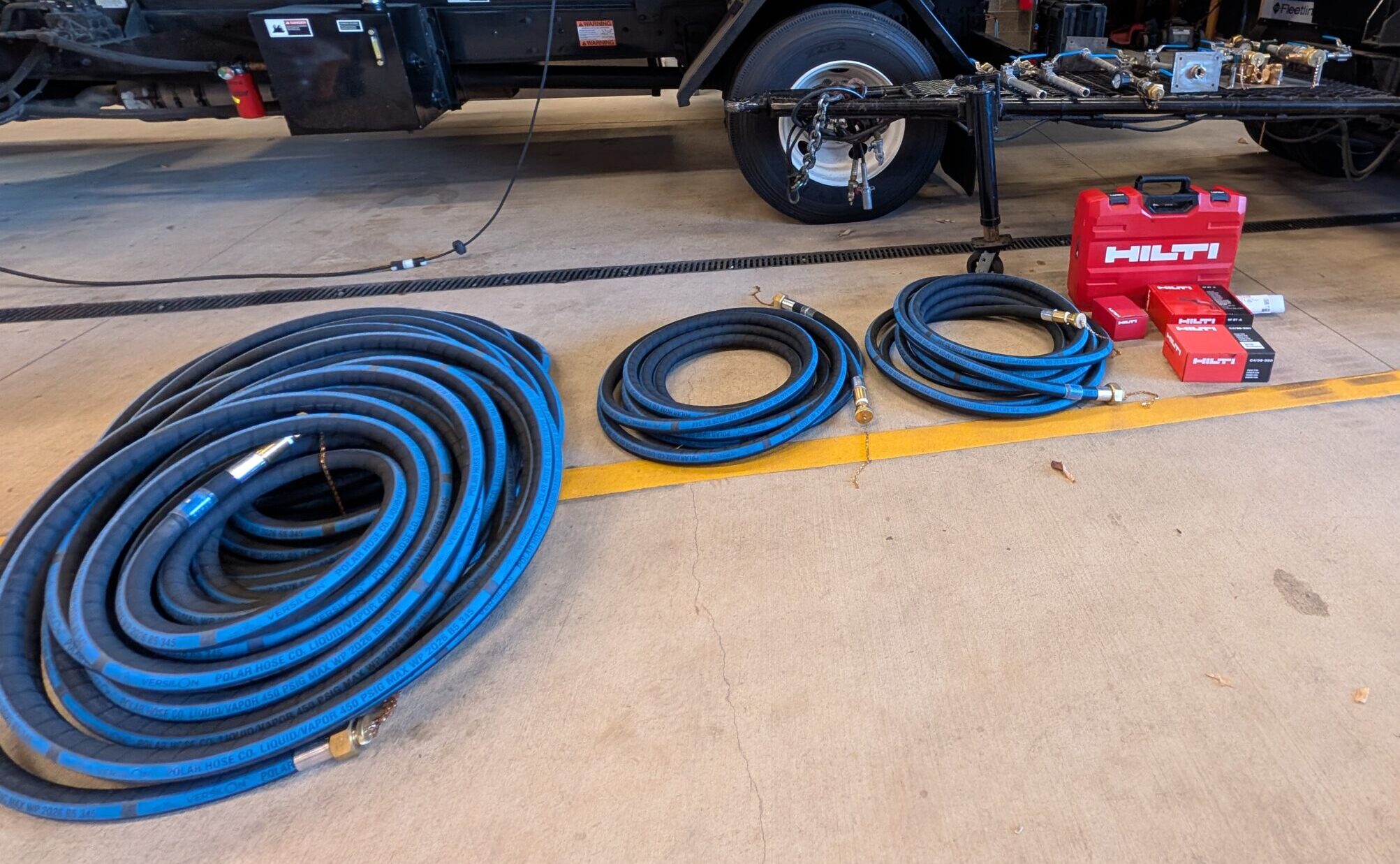
Training activities were developed and facilitated by Jim Merten with support from Don Doyle and were designed to simulate realistic challenges that would call on the deployment of specialized equipment. Participants rotated through a series of practical training stations focused on:
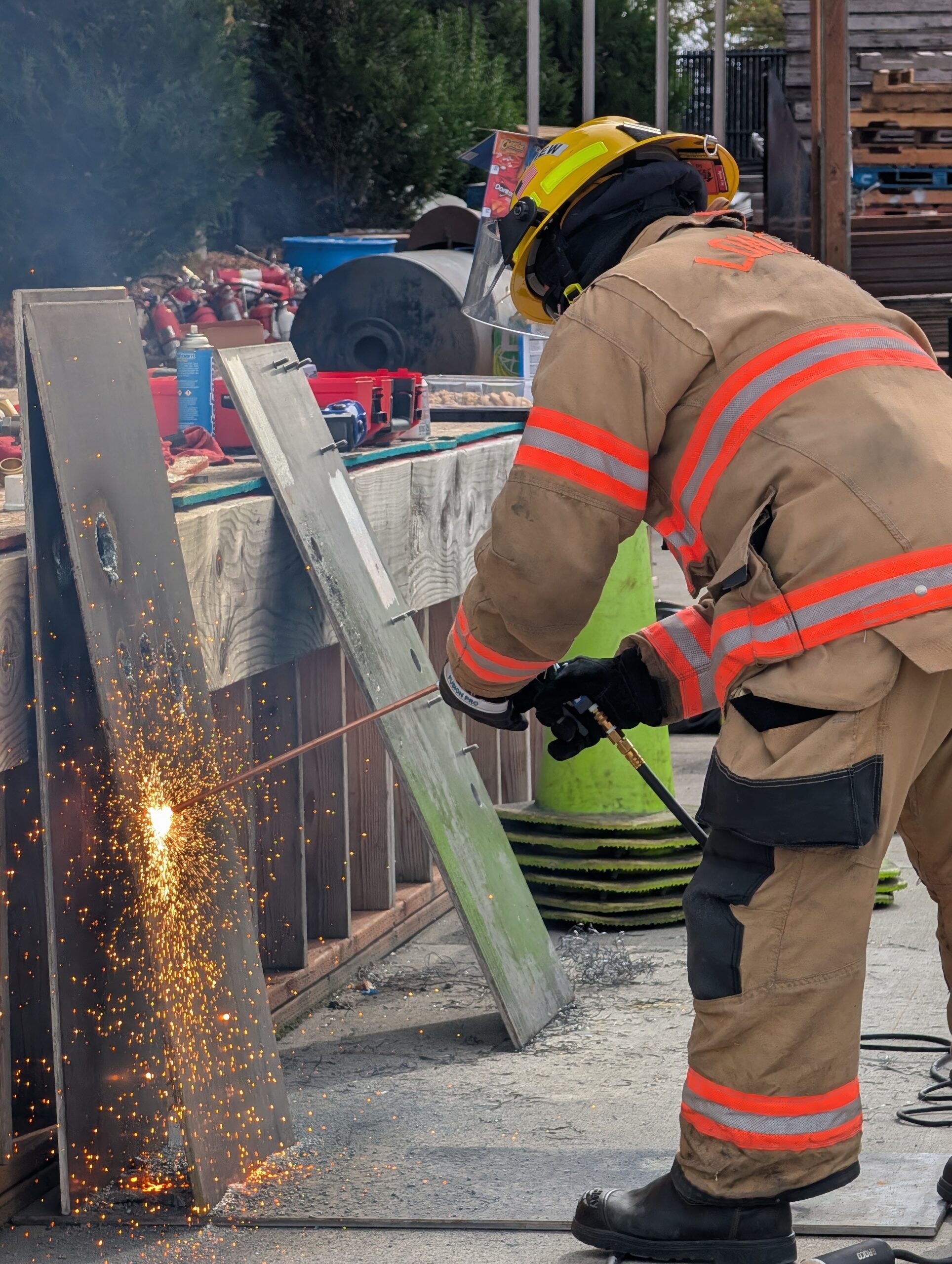
Station 1: Steel on the Deck – Cutting access for fire attack or extraction
Teams practiced cutting through a steel deck/hull prop to simulate creating an access point for fire attack or personnel extraction, and to create an opening for ventilation of heated gases from a fire compartment.
Station 2: CO2 Calculation Station
Teams were assigned shipboard spaces and tasked with calculating the amount of CO2 required for fixed flooding by applying the 46 CFR 95.15-5 formulas.
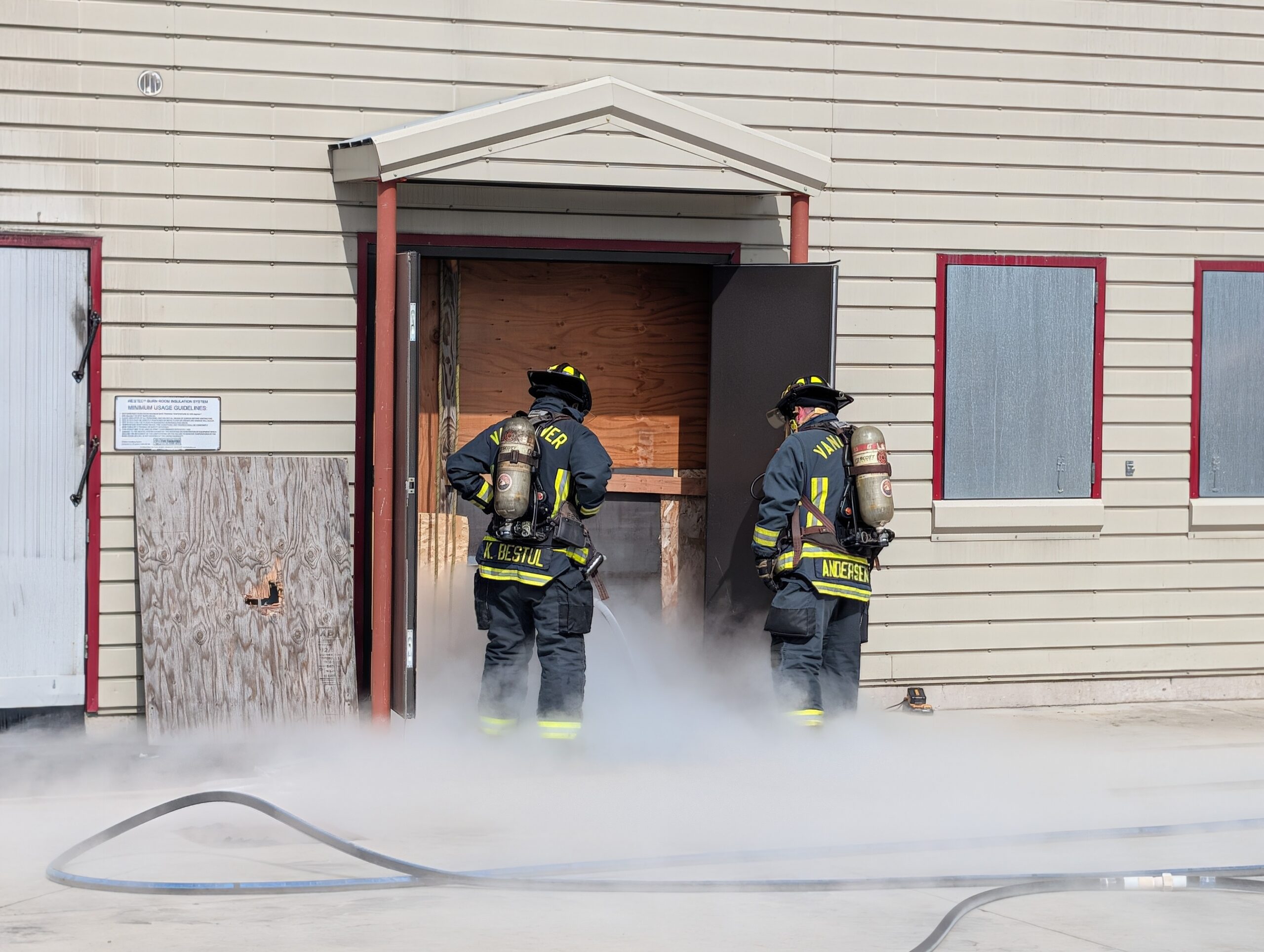
Station 3: CO2 Delivery System Drill
Since it is uncommon to have large quantities of CO2 available for use in training, this was an invaluable opportunity for FPAAC. In the maritime environment, the ability to respond swiftly and effectively is critical, and CO2 as an extinguishing agent plays a crucial role in suppressing fires in confined spaces.
Thanks to our ongoing relationship with the supplier, having a full CO2 truck on site along with an industry subject matter expert provided participants with rare, hands-on insight into the considerations and challenges they might face in a large-scale deployment.